
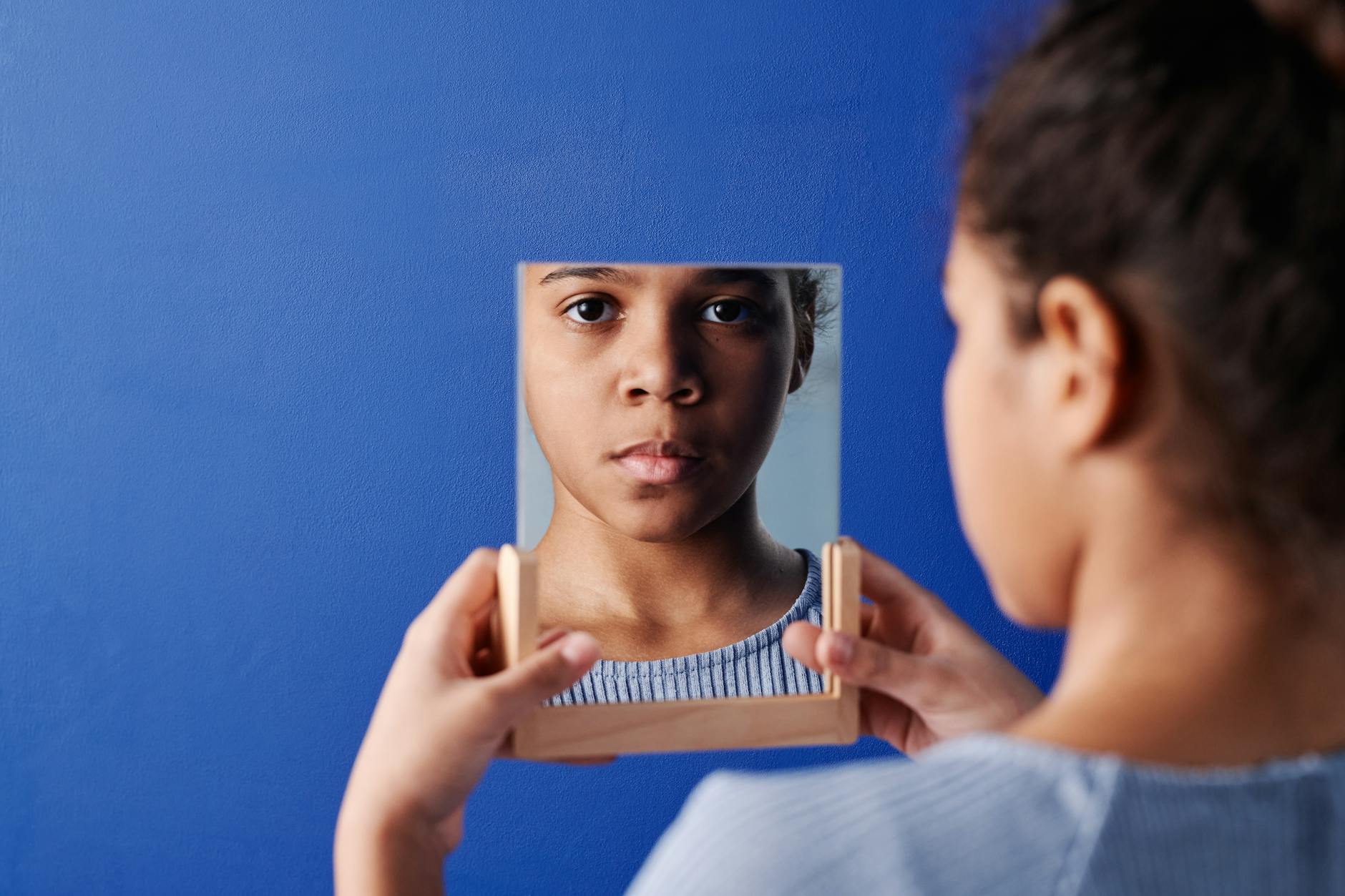
The battle for beauty is one of the most enduring struggles for brown-skinned women. It is not simply about cosmetics or fashion, but about history, identity, and survival in a society that has long privileged Eurocentric standards. The phrase “brown girl battle” encapsulates this conflict—where beauty and bias intersect, shaping not only how women are seen but also how they see themselves. To understand this battle is to understand the interplay of race, gender, and culture across centuries.
Beauty as a Social Construction
Beauty is not universal; it is constructed through cultural norms and political power. The idea that lighter skin, straighter hair, or thinner noses are inherently more attractive was not born naturally but manufactured through colonialism, slavery, and racial ideology (Painter, 2010). These constructions continue to influence who is deemed beautiful, desirable, and worthy of opportunities. For brown girls, beauty is not simply about preference but about systems of validation and exclusion.
The Colonial Legacy of Bias
The roots of this bias reach into the colonial era, when European conquerors imposed hierarchies that equated whiteness with superiority and Blackness with degradation. Colonized peoples were taught to despise their own features and strive toward European ideals. The scars of this indoctrination remain visible in societies where light skin continues to be prized in marriage markets, media, and labor economies. The brown girl battle is thus not a personal insecurity but a historical inheritance.
Slavery and the Politics of Shade
During slavery in the Americas, skin tone often determined one’s labor and treatment. Lighter-skinned enslaved women, often the result of sexual violence, were more likely to be placed in domestic roles, while darker-skinned women were forced into backbreaking fieldwork (Hunter, 2007). These practices entrenched colorism within communities of African descent, reinforcing the association of lighter skin with privilege. This historical stratification still shapes perceptions of beauty today.
Colorism Within Communities
One of the most painful aspects of the brown girl battle is that it exists not only between races but within racial groups. Families, schools, and social spaces often reinforce the preference for lighter skin, creating divisions among women who share the same heritage. This intra-community bias can be more wounding than external prejudice, as it corrodes solidarity and deepens insecurities.
Media Representation and Erasure
The media has long been complicit in the brown girl battle. For decades, television and film rarely showcased brown-skinned women as romantic leads or beauty icons. Instead, roles often relegated them to the margins—maids, aggressors, or comic relief. When women of color were celebrated for their beauty, they were frequently of lighter complexion or racially ambiguous. This “brown girl gap” in representation reinforced the bias that brownness was less desirable.
The Rare Visibility of Brown Beauty
When figures like Viola Davis, Lupita Nyong’o, and Gabrielle Union gained visibility, they disrupted these narratives. Lupita’s 2014 Oscar win, paired with her grace and elegance, represented a cultural breakthrough. She openly acknowledged the pain of growing up unseen and the healing power of representation for younger girls who looked like her. Their visibility did not erase the bias, but it began to shift the cultural imagination of beauty.
The Psychological Toll of Bias
Psychological research has shown that repeated exposure to biased standards of beauty can harm self-esteem, body image, and mental health (Thompson, 1996). For brown women, the battle is internal as much as external. The mirror becomes a contested space, reflecting not only their features but also the societal rejection attached to those features. Many grow up questioning their worth, wondering if they will ever be deemed beautiful without modification.
Hair as a Battleground
Hair has become one of the most politicized aspects of the brown girl battle. Eurocentric norms often pressure women to straighten or chemically alter their natural hair to be seen as professional or attractive. Natural hair movements resist this bias, affirming that curls, kinks, and coils are not defects but crowns. Yet, the need for legislation such as the CROWN Act in the United States shows that the policing of Black hair remains a structural problem.
Features Under Scrutiny
Beyond hair and skin, facial features are often judged against Eurocentric standards. Broader noses, fuller lips, and darker eyes were historically devalued, even as cosmetic industries later profited from imitating these same features. The irony of brown women being shamed for their natural features while those features are celebrated when surgically acquired by white women reflects the depth of bias in beauty culture.
Faith as Liberation from Bias
Spiritual traditions provide a counter-narrative to beauty bias. The Bible affirms the worth of women regardless of skin tone or appearance. Song of Solomon 1:5 proclaims, “I am black, but comely” (KJV), boldly affirming beauty in blackness. 1 Peter 3:3–4 reminds women that true beauty lies not in adornment but in “the hidden man of the heart.” Faith, therefore, provides brown women with a spiritual foundation to resist external lies and embrace divine affirmation.
Ancestral Pride and Heritage
For centuries, African societies celebrated brown and dark skin as symbols of strength, wisdom, and fertility. Sculptures, rituals, and traditions affirmed melanin-rich bodies as divine gifts. Reclaiming this ancestral pride allows modern brown women to combat internalized inferiority. By embracing the beauty once honored by their ancestors, they resist colonial erasure and affirm their sacred heritage.
Intersections of Gender and Race
The brown girl battle is intensified by the intersection of gender and race. While all women face pressures from beauty standards, brown women contend with racialized expectations layered on top of gender roles. They are often expected to embody strength without softness, competence without femininity, and beauty without visibility. These contradictions make their battle uniquely complex.
Global Dimensions of the Battle
Around the world, brown women confront the same biases in different forms. In India, the skin-lightening industry thrives on the message that lighter is better. In the Caribbean and Latin America, color hierarchies determine social mobility. In Africa itself, colonial legacies persist in beauty marketing and media representation. The brown girl battle is thus not confined to one geography but is global in scope.
Social Media and Reclamation
Social media has become both a battlefield and a tool of liberation. On one hand, filters and algorithms often reinforce Eurocentric beauty ideals. On the other, movements like #BlackGirlMagic and #MelaninPoppin create digital spaces where brown women affirm their beauty on their own terms. Online, they build communities that counter mainstream bias and celebrate diversity of shade, hair, and features.
Representation as Revolution
Representation is not cosmetic; it is political. When brown women are centered in media, politics, and fashion, it challenges centuries of bias. Michelle Obama’s visibility as First Lady, for instance, offered an unprecedented redefinition of elegance and grace in brown skin. Each act of representation is a strike against erasure, proving that beauty cannot be monopolized by one standard.
Intergenerational Cycles of Bias
The battle is also fought across generations. Mothers who were told they were “too dark” may unintentionally pass insecurities to their daughters. Breaking these cycles requires intentional affirmation, teaching brown girls to see themselves as beautiful and worthy from a young age. This intergenerational healing is vital to dismantling the deep roots of bias.
Collective Resistance and Healing
Healing requires more than individual self-love; it requires collective resistance. Communities must challenge colorism, expand representations, and dismantle systems that perpetuate inequality. Schools, media, and workplaces must normalize beauty in every shade. Collective affirmation ensures that no girl grows up questioning her worth because of her skin.
Beyond Beauty: Full Humanity
Ultimately, the brown girl battle is not only about being recognized as beautiful. It is about being seen as fully human. Beauty bias is a symptom of deeper racial inequality. When society affirms the beauty of brown women, it is also affirming their dignity, intelligence, and value. The battle for beauty is therefore inseparable from the broader struggle for justice.
Conclusion: Winning the Battle
The battle is ongoing, but it is not unwinnable. Brown women continue to resist bias through faith, heritage, representation, and community. By naming and confronting the structures that create the bias, they reclaim power over the narrative of beauty. To declare that brown is beautiful is not vanity—it is an act of survival, defiance, and liberation. The brown girl battle, though forged in oppression, is ultimately a story of victory, where beauty becomes not just reflection but revolution.
References
- Hunter, M. (2007). The persistent problem of colorism: Skin tone, status, and inequality. Sociology Compass, 1(1), 237–254.
- Monk, E. P. (2014). Skin tone stratification among Black Americans, 2001–2003. Social Forces, 92(4), 1313–1337.
- Painter, N. I. (2010). The history of White people. W.W. Norton & Company.
- Thompson, C. (1996). Black women, beauty, and hair as a matter of being. Women’s Studies, 25(6), 667–678.
- The Holy Bible, King James Version.
Discover more from THE BROWN GIRL DILEMMA
Subscribe to get the latest posts sent to your email.
 THE BROWN GIRL DILEMMA