
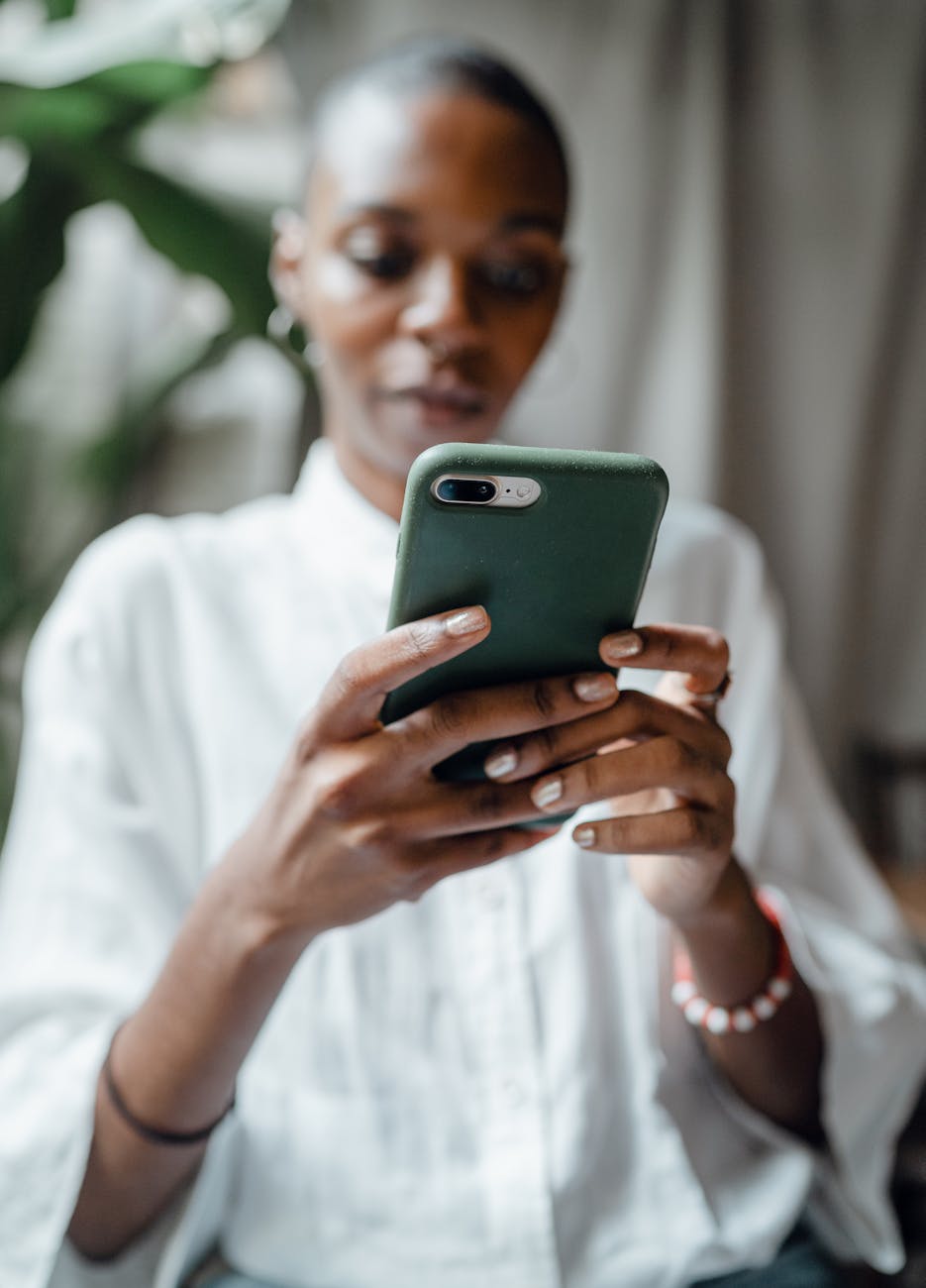
In the twenty-first century, social media has become one of the most powerful cultural forces shaping identity, perception, and self-worth. For Black women, the relationship with social media is both empowering and challenging. While these platforms have created spaces for representation, celebration, and resistance against Eurocentric beauty standards, they also perpetuate unrealistic ideals and cycles of comparison that affect self-esteem. Understanding this dual impact requires exploring psychological, cultural, and sociological dimensions.
Historically, Black women have been marginalized in mainstream media, often stereotyped or underrepresented. Social media disrupted this dynamic by giving them the agency to create and share their own narratives. Hashtags like #BlackGirlMagic, #MelaninPoppin, and #NaturalHairMovement emerged as affirmations of beauty and worth, allowing Black women to reclaim space that had long excluded them. This visibility has significantly contributed to increased confidence and cultural pride, affirming identities that were once dismissed (Trudy, 2018).
At the same time, the benefits of representation are complicated by the pressure of comparison. Social media operates on visibility, likes, and shares, often rewarding curated versions of life and beauty. Black women are not immune to these pressures; in fact, they may face intensified scrutiny because of colorism, body type expectations, and hair politics. Studies have shown that exposure to idealized images on social media can increase body dissatisfaction and lower self-esteem, particularly when women compare themselves to influencers or celebrities who align with Eurocentric or narrow beauty ideals (Perloff, 2014).
Colorism is another dimension magnified by social media. While platforms highlight darker-skinned beauty more than before, algorithms, beauty filters, and brand partnerships often privilege lighter skin tones, perpetuating hierarchies within the Black community itself. For darker-skinned Black women, constant exposure to these dynamics can reinforce harmful messages about desirability and worth, creating psychological strain (Hunter, 2007).
Yet, social media has also become a site of resistance. Many Black women use these platforms to challenge stereotypes, build businesses, and create communities centered on authenticity and empowerment. Influencers such as Jackie Aina in the beauty industry, or authors and activists who amplify wellness, have carved out spaces where self-love and confidence are prioritized. This re-centering of Black women’s narratives demonstrates how digital platforms can both wound and heal, depending on how they are used and engaged.
The role of faith and spirituality also intersects with Black women’s online experiences. Scripture such as Psalm 139:14, “I will praise thee; for I am fearfully and wonderfully made” (KJV), is often invoked in digital affirmations to counteract the weight of comparison. This spiritual grounding provides a framework for resilience, reminding Black women that self-worth transcends algorithms and external validation.
From a psychological perspective, the concept of “social comparison theory” explains much of this tension. Festinger’s (1954) theory argues that individuals determine their worth based on comparison with others. For Black women navigating social media, upward comparisons—especially with Eurocentric standards—can harm self-esteem, while lateral comparisons with affirming and relatable peers can foster confidence and solidarity.
In conclusion, social media plays a paradoxical role in shaping the self-esteem of Black women. It has provided tools of empowerment, affirmations of beauty, and platforms for visibility that were previously denied. Yet, it also reproduces harmful cycles of comparison, colorism, and body surveillance that weigh heavily on psychological well-being. The challenge, then, is not only in how Black women use social media but also in how these platforms evolve to reflect diversity authentically. For many, balancing digital engagement with affirmations rooted in culture, community, and faith is key to cultivating self-esteem in a world where “likes” often determine perceived value.
References
- Festinger, L. (1954). A theory of social comparison processes. Human Relations, 7(2), 117–140.
- Hunter, M. (2007). The persistent problem of colorism: Skin tone, status, and inequality. Sociology Compass, 1(1), 237–254.
- Perloff, R. M. (2014). Social media effects on young women’s body image concerns: Theoretical perspectives and an agenda for research. Sex Roles, 71(11-12), 363–377.
- Trudy. (2018). #BlackGirlMagic: The digital politics of Black womanhood. Feminist Media Studies, 18(5), 895–910.
Discover more from THE BROWN GIRL DILEMMA
Subscribe to get the latest posts sent to your email.
 THE BROWN GIRL DILEMMA