
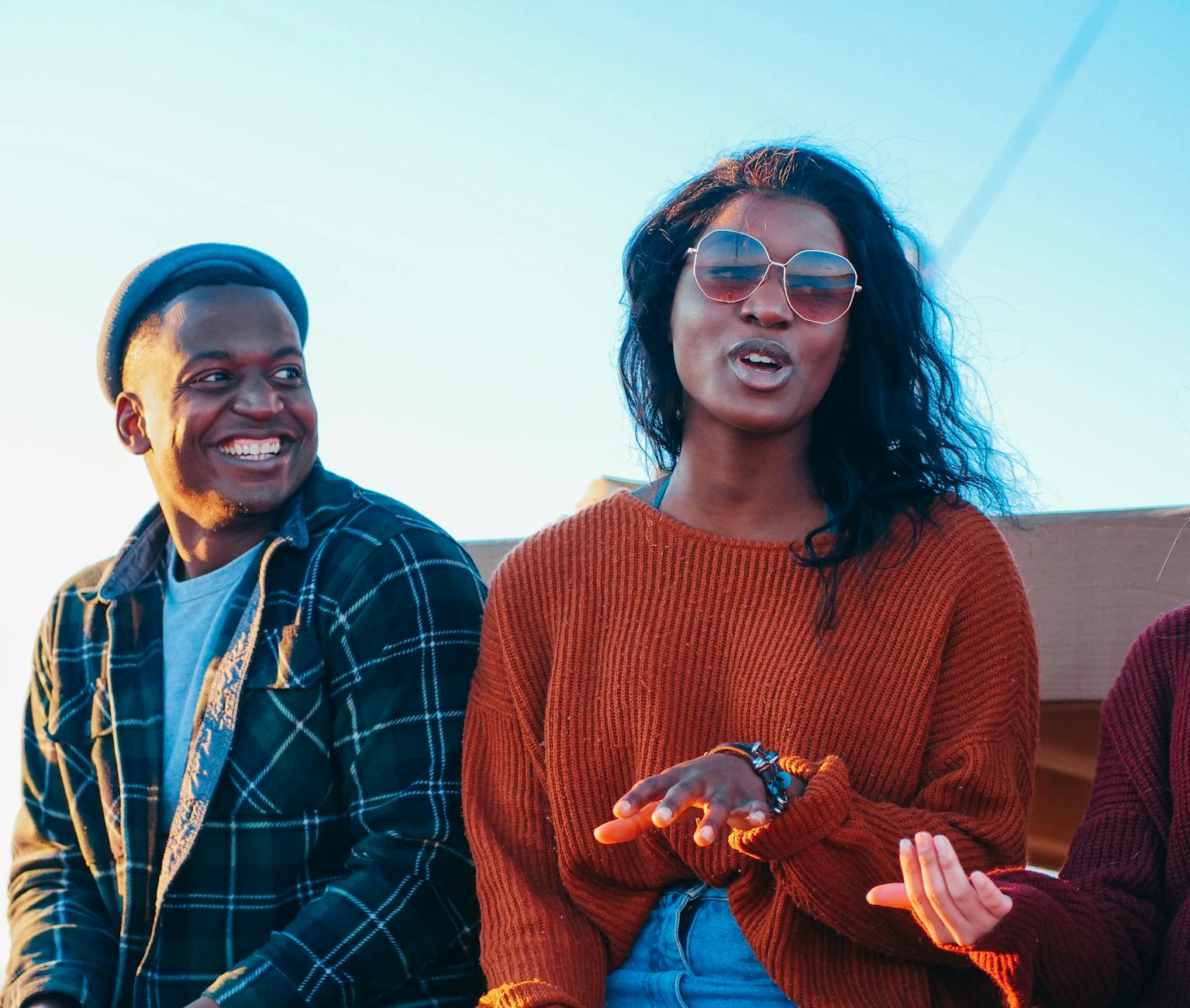
Dating as a dark-skinned woman in contemporary society presents unique challenges shaped by historical, social, and psychological factors. Colorism, the preferential treatment of lighter-skinned individuals within the same racial group, continues to influence perceptions of attractiveness, desirability, and romantic opportunity. These dynamics impact the dating experiences of dark-skinned women, often requiring heightened resilience, self-awareness, and faith-based grounding.
Historically, colorism in the Black community originates from slavery and colonialism, where lighter-skinned individuals—often the children of white slave owners—received preferential treatment, education, and access to resources (Hunter, 2007). This social hierarchy extended into notions of beauty and desirability, privileging lighter skin and marginalizing darker complexions. As a result, dark-skinned women often face societal pressures that devalue their natural beauty and influence romantic opportunities.
In contemporary dating, media representations continue to reinforce colorist ideals. Dark-skinned women are frequently underrepresented in romantic lead roles and advertising campaigns, while lighter-skinned women are celebrated as the standard of beauty (Keith & Herring, 1991). This persistent disparity can influence male preferences in dating, where unconscious biases favor lighter skin. Dark-skinned women may experience fewer opportunities for romantic attention or may face fetishization, both of which can affect self-esteem and emotional well-being.
Psychologically, navigating dating as a dark-skinned woman requires developing strong self-worth and resilience. Exposure to rejection or societal bias can lead to internalized colorism, self-doubt, or feelings of invisibility (Bryant, 2013). Strategies to counteract these effects include affirming one’s value through personal reflection, cultivating supportive social networks, and prioritizing relationships that honor character and integrity over superficial attributes.
Social media and dating apps further complicate the experience, as algorithmic and societal biases often favor lighter-skinned individuals (Hunter, 2002). The curated nature of online profiles can exacerbate feelings of inadequacy or marginalization. Dark-skinned women may need to develop intentional strategies, such as limiting app usage, setting boundaries, and focusing on meaningful engagement rather than validation through likes or matches.
Faith and spirituality can serve as essential tools for navigating these challenges. The Bible emphasizes the intrinsic worth of all individuals regardless of outward appearance. “But the Lord said unto Samuel, Look not on his countenance, or on the height of his stature; because I have refused him: for the Lord seeth not as man seeth; for man looketh on the outward appearance, but the Lord looketh on the heart” (1 Samuel 16:7, KJV). Anchoring self-worth in spiritual identity can provide resilience against external biases in the dating world.
Understanding male psychology in dating contexts is also important. Studies suggest that men often internalize societal beauty standards, which may include colorist preferences (Monk, 2014). Awareness of these biases allows dark-skinned women to navigate relationships with clarity, identifying partners who appreciate them holistically and rejecting those influenced solely by superficial factors.
Practical strategies include cultivating personal confidence, developing a strong sense of identity, and maintaining standards aligned with one’s values. Emphasizing qualities such as faith, intelligence, kindness, and emotional stability over external validation creates a foundation for healthier, more fulfilling relationships. Engaging in communities and support networks that celebrate dark-skinned beauty also reinforces positive self-perception.
Dating Toolkit for Dark-Skinned Women: Confidence, Boundaries, and Faith
1. Ground Your Self-Worth in Faith
- Remember that your value comes from God, not external validation.
- “The Lord seeth not as man seeth; for man looketh on the outward appearance, but the Lord looketh on the heart” (1 Samuel 16:7, KJV).
- Daily affirmations: “I am fearfully and wonderfully made” (Psalm 139:14).
2. Embrace Your Natural Beauty
- Celebrate your skin tone, hair texture, and natural features.
- Follow and engage with communities that uplift dark-skinned beauty (#MelaninMagic, #BlackGirlMagic).
- Avoid comparing yourself to lighter-skinned beauty standards on social media.
3. Identify Red Flags Early
- Superficial interest focused only on appearance or skin tone.
- Disrespect for boundaries or emotional manipulation.
- Rushing intimacy or inconsistent communication.
4. Prioritize Character Over Looks
- Ask questions about values, faith, family, and life goals.
- Observe actions, not just words or online charm.
- Look for consistency and emotional intelligence.
5. Set Clear Boundaries
- Decide what behavior is acceptable in both online and offline dating.
- Limit time on dating apps to prevent emotional fatigue.
- Protect personal information until trust is established.
6. Build Confidence and Emotional Resilience
- Practice self-care: exercise, hobbies, and social connections.
- Journal thoughts and feelings to process rejection or bias.
- Celebrate small wins: meaningful conversations, setting boundaries, or staying authentic.
7. Be Mindful of Colorism
- Recognize societal and internalized biases.
- Avoid internalizing rejection as a reflection of your value.
- Seek partners who celebrate your authentic self, not just skin tone.
8. Cultivate Support Networks
- Surround yourself with family, friends, and mentors who affirm your worth.
- Engage in communities that celebrate dark-skinned beauty and achievement.
- Share experiences and advice with peers to strengthen resilience.
9. Maintain Perspective on Dating Apps
- Use them as tools, not measures of self-worth.
- Focus on meaningful connections rather than swiping endlessly for validation.
- Take breaks when overwhelmed by online comparisons or rejection.
10. Pray and Seek Divine Guidance
- Pray for discernment in evaluating potential partners.
- Meditate on scriptures about love, patience, and wisdom before engaging in dating.
- Trust that God will guide you to a partner who values your heart and character.
Mentorship and representation are critical. Seeing successful dark-skinned women in media, leadership, and professional spheres provides aspirational models and counters narratives of marginalization. Public figures such as Lupita Nyong’o, Viola Davis, and Janelle Monáe exemplify beauty, success, and authenticity, empowering dark-skinned women in their romantic and personal journeys.
In conclusion, dating as a dark-skinned woman requires navigating the compounded effects of colorism, media bias, and societal preferences. By cultivating resilience, affirming intrinsic worth, setting standards aligned with values, and grounding identity in faith, dark-skinned women can pursue meaningful romantic relationships while embracing their authentic selves. Understanding these dynamics empowers women to reject superficial judgments and prioritize partners who value character, faith, and integrity above all.
References
- Bryant, C. (2013). The Impact of Colorism on African American Women’s Self-Perceptions. Journal of Black Studies, 44(7), 775–790.
- Hunter, M. (2002). If you’re light you’re alright: Light skin color as social capital for women of color. Gender & Society, 16(2), 175–193.
- Hunter, M. (2007). The persistent problem of colorism: Skin tone, status, and inequality. Sociology Compass, 1(1), 237–254.
- Keith, V. M., & Herring, C. (1991). Skin tone and stratification in the Black community. American Journal of Sociology, 97(3), 760–778.
- Monk, E. P. (2014). Skin tone stratification among Black Americans, 2001–2003. Social Forces, 92(4), 1313–1337.
- The Holy Bible, King James Version.
Discover more from THE BROWN GIRL DILEMMA
Subscribe to get the latest posts sent to your email.
 THE BROWN GIRL DILEMMA