
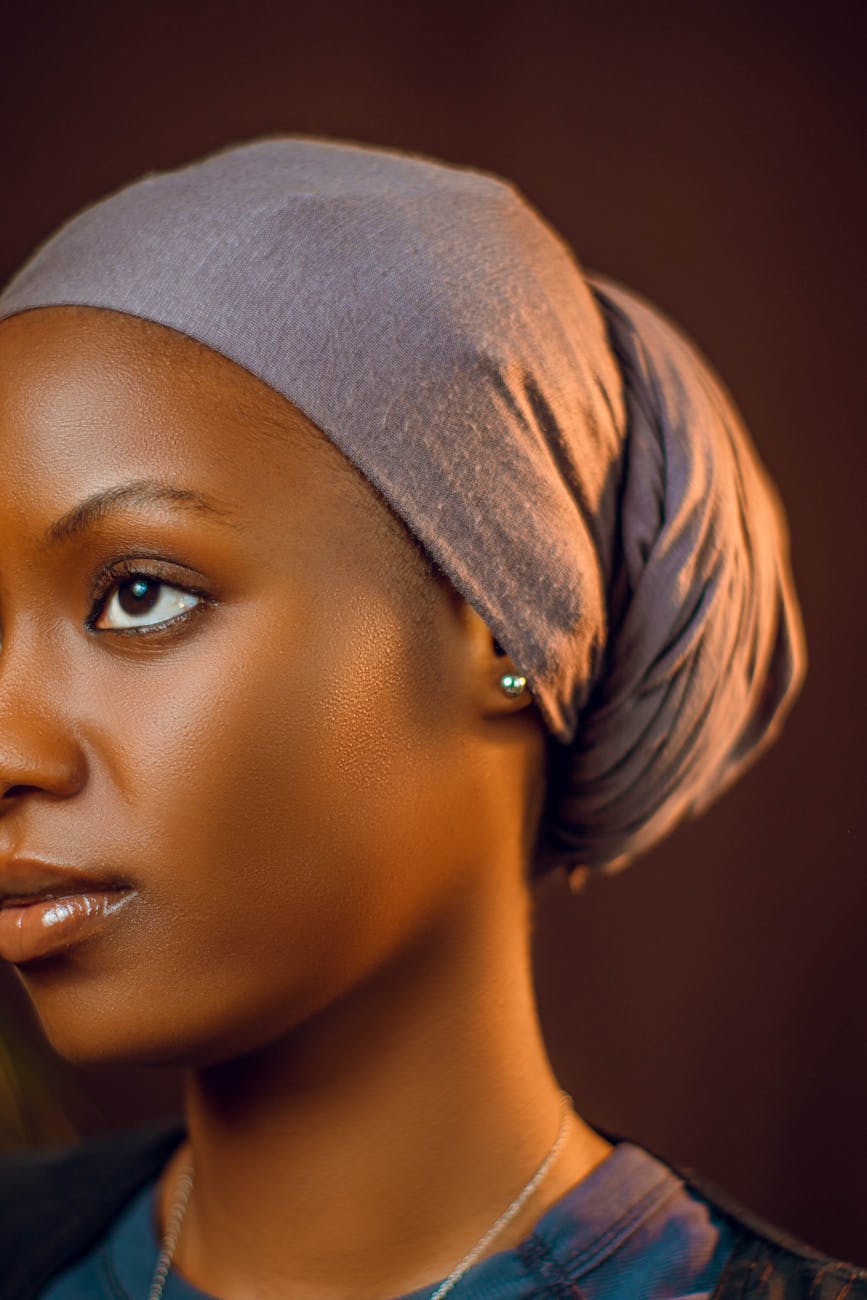
“The most disrespected person in America is the Black woman. The most unprotected person in America is the Black woman. The most neglected person in America is the Black woman.” – Malcolm X, 1962
This piercing statement still resonates today, capturing the enduring reality that Black women carry a unique weight in society. The title Brown Skin, Heavy Crown: The Weight of Expectations on Black Women speaks to the duality of being both admired and burdened, resilient and weary. Their “crown” is both literal and symbolic—representing beauty, strength, responsibility, and the heavy expectations imposed upon them.
Day-to-Day Struggles of Black Women
The struggles of Black women are multifaceted and often invisible to those who do not share their experience. Day to day, many must navigate:
- Workplace Bias: Stereotypes about competence, tone, and appearance force Black women to “prove themselves” beyond their peers.
- Hair and Body Politics: Choices about hair, dress, and body image are scrutinized more harshly, often deemed “unprofessional” or “too much.”
- Family and Community Expectations: Many are expected to be the “backbone” of families and communities, carrying immense emotional and financial burdens.
- Healthcare Inequality: Black women face disproportionate maternal mortality rates and are often ignored or dismissed in medical settings.
- Microaggressions and Racism: Subtle but constant reminders that their identity is undervalued, whether in classrooms, workplaces, or public spaces.
These struggles create a reality in which Black women are expected to endure more, speak less, and carry others—while often being denied rest, vulnerability, or protection.
The Weight of Expectations
The “heavy crown” symbolizes how society demands resilience from Black women, often at the cost of their well-being. The archetype of the “strong Black woman” can be both empowering and damaging. While it honors resilience, it also pressures Black women to suppress vulnerability and avoid asking for help. This results in what psychologists call the Superwoman Schema, a coping mechanism where Black women overperform in roles of strength while neglecting self-care, leading to stress, anxiety, and depression (Woods-Giscombé, 2010).
Society expects Black women to be endlessly strong, forgiving, nurturing, and graceful under pressure. Yet, when they resist these expectations, they risk being labeled “angry,” “difficult,” or “unfeminine.” The crown of strength becomes a weight rather than a jewel.
Biblical Reflections on Burden and Strength
The Bible acknowledges the weight of burdens but also offers encouragement:
- “Cast thy burden upon the Lord, and he shall sustain thee: he shall never suffer the righteous to be moved” (Psalm 55:22, KJV).
- “Come unto me, all ye that labour and are heavy laden, and I will give you rest” (Matthew 11:28, KJV).
- “She girdeth her loins with strength, and strengtheneth her arms” (Proverbs 31:17, KJV).
These verses affirm both the strength and the humanity of women. While society demands that Black women carry impossible burdens, Scripture reminds them that strength is not found in perpetual suffering but in faith, rest, and divine sustenance. The Bible does not glorify exploitation—it calls for justice and care for the oppressed (Isaiah 1:17).
Psychological Insights
The expectations placed on Black women have measurable psychological impacts.
- Superwoman Schema: Over-identification with strength creates barriers to seeking help and worsens stress-related health outcomes (Woods-Giscombé, 2010).
- Stereotype Threat: Fear of confirming stereotypes about anger or incompetence forces Black women into emotional suppression (Rosenthal & Lobel, 2011).
- Resilience and Coping: Despite these challenges, research shows that spiritual practices, community ties, and cultural affirmation are key coping strategies for Black women’s mental health (Watson & Hunter, 2015).
These insights reveal that the “heavy crown” is not only social but psychological—demanding constant balance between external expectations and inner well-being.
Conclusion
Brown Skin, Heavy Crown: The Weight of Expectations on Black Women reminds us that while Black women have been celebrated for their resilience, they are too often denied softness, rest, and protection. The crown they wear should symbolize dignity, beauty, and divine strength, not relentless exploitation. To break free, society must dismantle oppressive expectations and affirm Black women as whole human beings—vulnerable, valuable, and beloved.
As Scripture says, “For my yoke is easy, and my burden is light” (Matthew 11:30, KJV). The true crown is not the one society imposes but the one God gives—of honor, peace, and eternal worth.
References
- Rosenthal, L., & Lobel, M. (2011). Explaining racial disparities in adverse birth outcomes: Unique sources of stress for Black American women. Social Science & Medicine, 72(6), 977–983.
- Watson, N. N., & Hunter, C. D. (2015). Anxiety and depression among African American women: The costs of strength and negative attitudes toward psychological help-seeking. Cultural Diversity and Ethnic Minority Psychology, 21(4), 604–612.
- Woods-Giscombé, C. L. (2010). Superwoman schema: African American women’s views on stress, strength, and health. Qualitative Health Research, 20(5), 668–683.
- The Holy Bible, King James Version.
Discover more from THE BROWN GIRL DILEMMA
Subscribe to get the latest posts sent to your email.
 THE BROWN GIRL DILEMMA