
⭐⭐⭐⭐⭐ 5/5
Lady Sings the Blues: A Five-Star Tribute to Billie Holiday and Black Cinematic Brilliance
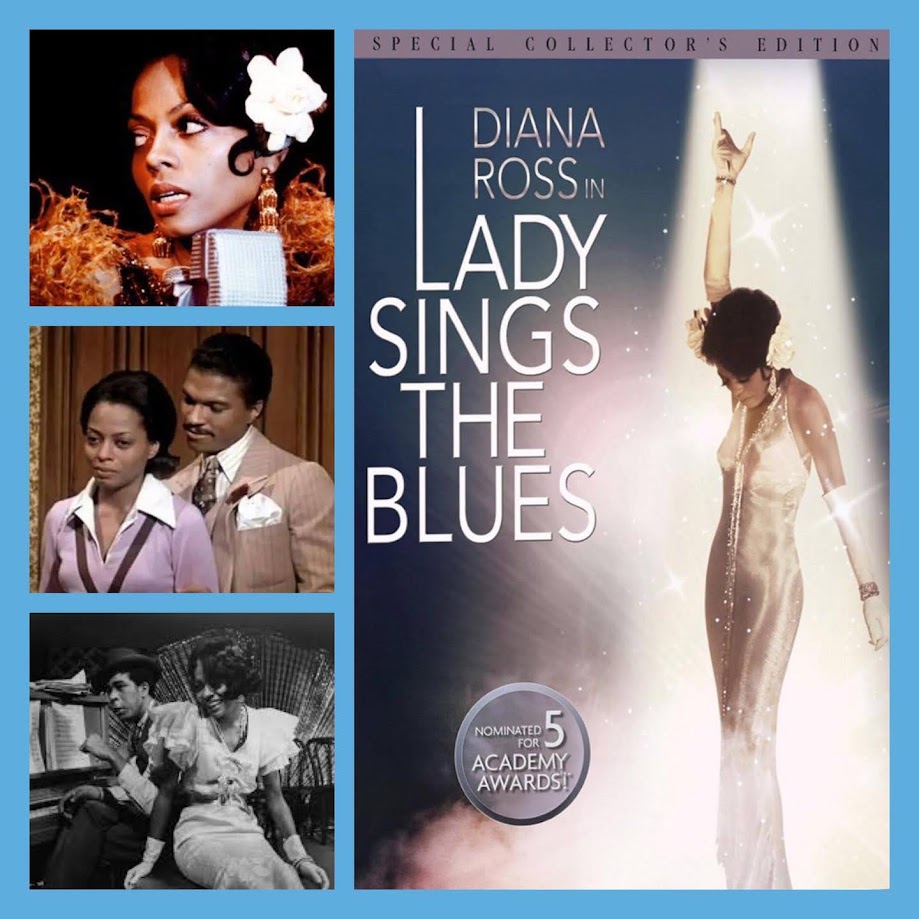
In 1972, Lady Sings the Blues captivated audiences with its raw, poignant dramatization of jazz legend Billie Holiday’s tumultuous life. With Diana Ross stepping boldly into the role of Holiday and Billy Dee Williams offering one of his most iconic performances, the film transcended traditional biopics. It gave voice to the complexities of Black womanhood, addiction, racism, and love through the lens of music. Directed by Sidney J. Furie and produced by Motown Productions, the film became an instant classic, earning five Academy Award nominations and launching Ross’s career as a serious actress.
The Film’s Narrative and Cultural Importance
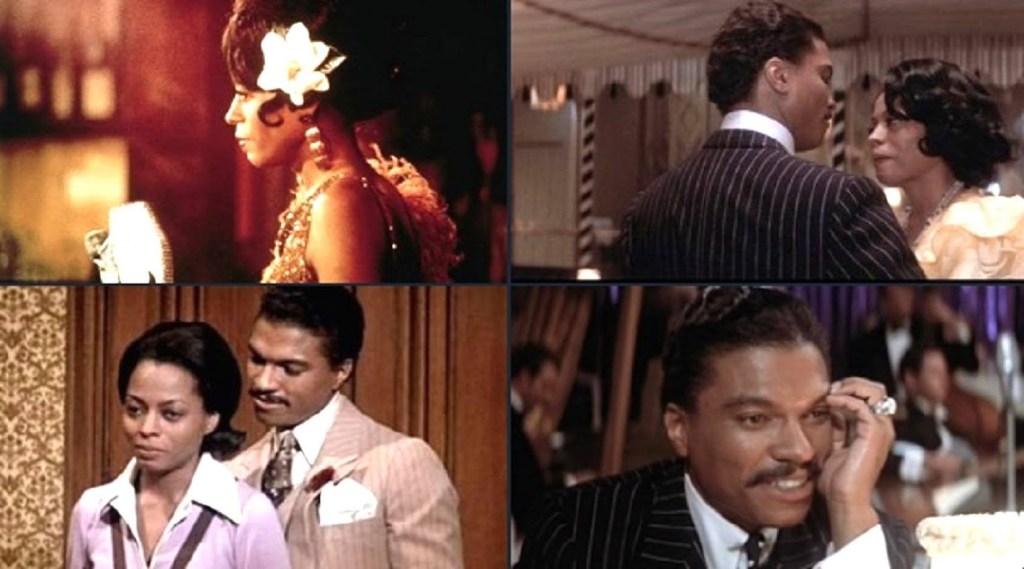
Based loosely on Billie Holiday’s 1956 autobiography, Lady Sings the Blues follows her journey from a troubled childhood in Baltimore to stardom as one of the most influential jazz vocalists of all time. It candidly explores her battles with sexual trauma, substance abuse, and racial injustice. The film doesn’t just document her music career—it illustrates how the weight of being Black and brilliant in Jim Crow America often meant fighting to simply survive.
Audiences were struck not only by the musical numbers but by the painful authenticity in the story. As Ross sang Holiday’s signature pieces like “Strange Fruit” and “God Bless the Child,” the songs took on new meaning in the post-Civil Rights era, speaking directly to a generation still healing from America’s legacy of racial terror.
🎤 Billie Holiday: The Woman Behind the Blues
Billie Holiday, born Eleanora Fagan in 1915, rose from the poverty of Baltimore’s streets to become a jazz icon whose voice remains one of the most distinctive in music history. Orphaned early and sent to work in brothels, her life was marked by trauma. Despite these early hardships, Holiday channeled her pain into poignant songs that defied the sanitized entertainment norms of the time.
In her own words, she once said:
“If I’m going to sing like someone else, then I don’t need to sing at all.”
Holiday’s impact was revolutionary. Her song “Strange Fruit” was one of the first explicit artistic condemnations of American lynching, which made her a target of the FBI and earned her a place in both musical and civil rights history. Her voice, described as smoky and full of soul, was less about technical precision and more about raw emotion. She said,
“I don’t think I’m singing. I feel like I’m playing a horn… I try to improvise like Les Young, like Louis Armstrong, or someone else I admire.”
Holiday died in 1959 under federal arrest in her hospital bed, yet she remains a symbol of resistance, artistry, and tragic beauty.
🌟 Diana Ross: From Supreme Starlet to Dramatic Powerhouse
Diana Ross’s transformation from pop music icon to dramatic actress stunned the industry. Known primarily as the glamorous frontwoman of The Supremes, Ross had never acted professionally before taking on the daunting task of portraying Billie Holiday. Yet her performance earned widespread acclaim.
Ross reflected on the emotional toll the role demanded:
“I had to feel everything she felt. I had to go deep into her darkness to bring out her light.”
Critics praised her haunting renditions of Holiday’s music. Though Ross did not imitate Holiday’s exact vocal style, she captured the essence of her sorrow and resilience. Roger Ebert declared:
“Diana Ross doesn’t play Billie Holiday. She becomes her.”
Ross earned an Academy Award nomination for Best Actress and a Golden Globe win for Most Promising Newcomer. Her role opened the door for future Black actresses to take center stage in complex, leading roles. Ebony magazine wrote,
“Ross didn’t just play Billie—she exorcised her ghost with grace, grit, and unflinching beauty.”
💎 Billy Dee Williams: The Romantic Soul of the Film
The drop dead handsome Billy Dee Williams brought elegance, strength, and warmth to the role of Louis McKay, Billie Holiday’s husband and protector. Though the real-life relationship between Holiday and McKay was marked by volatility, the film portrayed him as a stabilizing presence and symbol of enduring love.
Born in New York City in 1937, Williams was an accomplished painter and stage actor before he rose to fame on screen. His breakthrough came with Brian’s Song (1971), but it was Lady Sings the Blues that made him a romantic icon in Black cinema. Williams once said:
“It was a love story wrapped in sorrow, but also in survival. That’s what moved people.”
His chemistry with Diana Ross was undeniable, helping redefine the image of Black love on screen. Williams later reflected:
“In that moment, we weren’t just acting. We were telling our story—our people’s story.”
His portrayal helped reshape Hollywood’s image of Black men, portraying tenderness, loyalty, and passion with quiet strength.
🌍 Awards, Acclaim & Cultural Reverberations
Lady Sings the Blues received five Academy Award nominations, including Best Actress (Diana Ross), Best Original Score, Best Screenplay, Best Art Direction, and Best Costume Design. It also won the NAACP Image Award and was nominated for a Golden Globe.
Critics and audiences alike were swept away. The New York Times praised the film’s boldness:
“It dares to tell the story of a Black woman’s tragedy and brilliance without apology.”
In Black America, the film became an instant classic. It was one of the first major studio pictures to center a Black woman’s story, inspiring a generation of artists and sparking deeper conversations about racism, addiction, and resilience.
Final Reflection: A Testament to Black Excellence
Lady Sings the Blues is not merely a film—it is a five-star artistic triumph and cultural monument. It honored the life of Billie Holiday not with pity, but with reverence and passion. With Diana Ross’s electrifying debut and Billy Dee Williams’s heartfelt performance, the film transformed pain into poetry and tragedy into triumph.
As Ross herself said:
“Billie’s story broke my heart. I had to tell it not as a diva, but as a woman trying to heal.”
References
Ebert, R. (1972). Lady Sings the Blues movie review. Chicago Sun-Times.
Holiday, B., & Dufty, W. (1956). Lady Sings the Blues. Doubleday.
Motown Productions. (Producer), & Furie, S. J. (Director). (1972). Lady Sings the Blues [Film]. Paramount Pictures.
Ebony Magazine. (1972). Diana Ross: The Triumph of Billie Holiday.
Williams, B. D. (2021). Interview on Lady Sings the Blues. Essence Magazine.
Discover more from THE BROWN GIRL DILEMMA
Subscribe to get the latest posts sent to your email.
 THE BROWN GIRL DILEMMA