
Introduction
The story of Rosewood, Florida is one of prosperity, racial pride, and horrifying destruction. Once a thriving Black town in Levy County, Rosewood was obliterated in January 1923 due to a racially charged lie that incited white mob violence. Like the tragedies of Tulsa’s Black Wall Street and the Devil’s Punchbowl, Rosewood exemplifies how Black success in early 20th-century America was often met with white rage, systemic racism, and historical erasure.
The Founding and Prosperity of Rosewood
Founded in the late 1800s, Rosewood was a small, self-sufficient, predominantly African American town. Located near the Gulf Coast of Florida, the town was originally established as a timber and turpentine community. Over time, the Black residents of Rosewood built homes, churches, a school, and several successful businesses. By the early 1920s, Rosewood had become a symbol of Black independence.
The town was made up of about 25 Black families, most of whom were landowners—a rarity in the Jim Crow South. Occupations included blacksmiths, carpenters, midwives, and educators. One notable figure was Sarah Carrier, a well-known midwife and one of the community’s matriarchs.
Rosewood residents lived peacefully—until a white woman in a nearby town falsely accused a Black man of assault, setting off a chain of racial terror.
The Incident: Lies and Racial Violence
On January 1, 1923, Fannie Taylor, a white woman from the neighboring town of Sumner, claimed she had been beaten and assaulted by a Black man while her husband was at work. In truth, she had been injured by her white lover, but to hide her infidelity, she blamed an anonymous Black man. This lie sparked a mob of angry white residents, who began scouring the area for any Black man they could find.
The first victim was Sam Carter, a Black craftsman tortured and lynched when he refused to divulge the whereabouts of the alleged assailant. Soon after, white mobs, some from as far as Gainesville and Jacksonville, stormed Rosewood with rifles, torches, and a thirst for vengeance.
The Massacre and Destruction
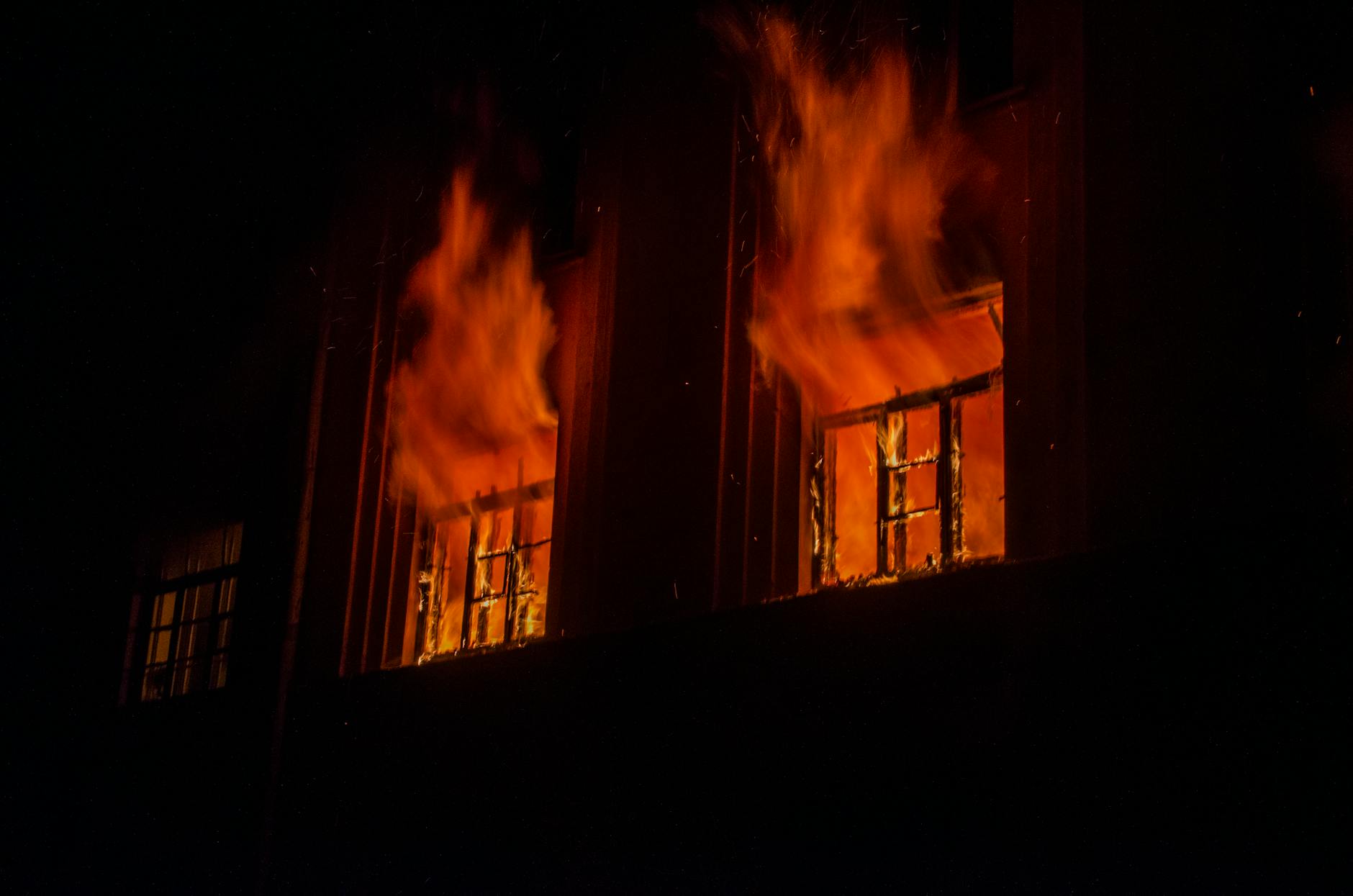
Between January 1 and January 7, 1923, the town of Rosewood was burned to the ground. Homes, churches, and schools were set ablaze. Eyewitnesses described the scene as a hellish blaze with smoke rising above the pine trees. At least six Black residents were killed, including Sarah Carrier, who died protecting children hiding in her home. Others were shot as they fled or tortured for information.
The number of deaths is still debated. While official records confirm around six to eight, survivors and descendants estimate that dozens were killed, with bodies either burned in the fires or dumped in mass graves.
Most of the survivors hid in the swamps for days without food, before being evacuated by a few courageous white allies, including John and William Bryce, local train conductors who secretly transported Black families to safety.
Why Did It Happen?
The massacre was rooted in racism, economic envy, and the fear of Black advancement. Rosewood’s prosperity challenged the status quo of white supremacy. Many white residents were resentful that Black citizens owned land, ran businesses, and lived independently.
The lie told by Fannie Taylor was simply a spark that ignited deep-seated hatred. As journalist Gary Moore, who helped revive the story in the 1980s, said:
“It was not just a lynching. It was ethnic cleansing.”
The Aftermath and Silence
After the massacre, Rosewood ceased to exist. Survivors never returned, and many were too traumatized or afraid to speak about what happened. For decades, the story of Rosewood remained buried.
Law enforcement never prosecuted any of the perpetrators, and state officials did nothing to investigate or compensate the victims. The fear of retribution or being labeled a “troublemaker” kept survivors silent.
It wasn’t until the 1990s that survivors came forward with their stories. In 1994, the state of Florida passed the Rosewood Compensation Bill, awarding $2.1 million in reparations to nine survivors and establishing scholarships for descendants. This was one of the first instances of reparations in U.S. history for racial violence (D’Orso, 1996).
Personal Testimonies and Survivors
One of the most vocal survivors was Minnie Lee Langley, who was 7 years old at the time of the massacre. In later interviews, she recalled:
“They burned everything. Everything. We hid in the woods. My mama told me to keep quiet so the white folks wouldn’t hear us.”
Another survivor, Arnett Doctor, helped spearhead the movement for recognition and reparations. He later became known as the “father of the Rosewood legislation.”
Economic Impact and Racial Injustice
The destruction of Rosewood devastated families economically and emotionally. Land that once belonged to Black residents was never returned. This contributed to the racial wealth gap that persists today.
The massacre also underscored the legal impunity enjoyed by white mobs. Local sheriffs did nothing to intervene. White silence and complicity made justice impossible.
Legacy and Rebuilding
Though Rosewood was never rebuilt, its legacy lives on in books, documentaries, and even film. The 1997 movie Rosewood, directed by John Singleton and starring Ving Rhames and Don Cheadle, brought national attention to the tragedy.
In recent years, efforts have been made to preserve the memory of Rosewood:
- A historical marker was erected in 2004
- Descendants meet annually to commemorate the lost town
- Florida’s education system has slowly integrated the story into its curriculum
Still, many argue that true justice has not been served.
Conclusion
The Rosewood Massacre was a deliberate act of racial terrorism, rooted in lies, jealousy, and the desire to uphold white supremacy at the cost of Black lives. It represents more than just a violent episode—it exemplifies how racism, unchecked by law or conscience, destroyed Black progress and stole generational wealth.
The tragedy of Rosewood must be remembered, not only to honor the victims and survivors, but to understand how systemic racism shaped American history and continues to shape the Black experience today.
References
- D’Orso, M. (1996). Like Judgment Day: The Ruin and Redemption of a Town Called Rosewood. Putnam Publishing Group.
- Moore, G. (1982, July). “Rosewood Massacre.” St. Petersburg Times.
- U.S. House of Representatives. (1994). Rosewood Compensation Act. Florida State Archives.
- Singleton, J. (Director). (1997). Rosewood [Film]. Warner Bros.
Discover more from THE BROWN GIRL DILEMMA
Subscribe to get the latest posts sent to your email.
 THE BROWN GIRL DILEMMA