
💄💄💄💄
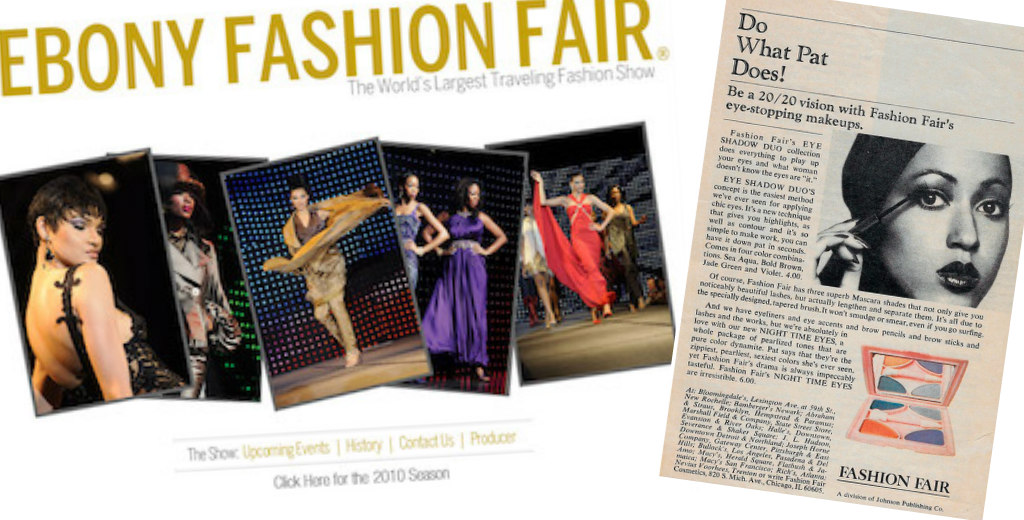
Fashion Fair Cosmetics was founded in 1973 by Eunice Johnson, the trailblazing wife of John H. Johnson, founder of Ebony and Jet magazines. Born Eunice Walker in Selma, Alabama, in 1916, she married John in 1941 and became an influential force in both publishing and fashion. The couple had one daughter, Linda Johnson Rice, who would later lead Johnson Publishing Company. Eunice Johnson’s vision for Fashion Fair emerged from her experience organizing the Ebony Fashion Fair, a traveling fashion show she began in 1958 to raise money for Black charities. While touring, she discovered a lack of makeup shades for darker skin tones—prompting her to create a cosmetics line specifically designed for women of color (Taylor, 2016).
The Fashion Fair brand quickly became an international success. Ebony and Jet magazines, both owned by Johnson Publishing, were instrumental in promoting the cosmetics line, featuring glamorous spreads of Black models such as Pat Cleveland, Barbara Summers, and Jennifer Lawson. These models embodied elegance and sophistication, challenging Eurocentric beauty norms. The line expanded beyond foundation and lipsticks to include skincare products, eventually becoming the largest Black-owned cosmetics company in the world. At its peak in the late 1970s and 1980s, Fashion Fair reportedly generated annual revenues exceeding $20 million from its cosmetics division alone (Byrd & Tharps, 2014). While its core was cosmetics, the company did not primarily sell clothing; instead, the Ebony Fashion Fair fashion shows featured high-end designer garments from global couture houses as part of its fundraising and branding strategy.
✨ Ebony Fashion Fair vs. Fashion Fair Cosmetics ✨
| Ebony Fashion Fair | Fashion Fair Cosmetics |
|---|---|
| Founded: 1958 by Eunice Johnson as a traveling fashion show. | Founded: 1973 by Eunice Johnson as a cosmetics line for women of color. |
| Purpose: Raise funds for African American charities while showcasing high fashion to Black audiences. | Purpose: Provide makeup shades that catered specifically to darker skin tones, which were ignored by mainstream beauty brands. |
| Products: No physical products for sale; featured garments from top designers like Yves Saint Laurent, Givenchy, and Oscar de la Renta. | Products: Cosmetics (foundation, lipsticks, eyeshadow, skincare), with shades suited for a diverse range of Black complexions. |
| Promotion: Advertised in Ebony and Jet magazines, plus national press; toured across the U.S., Canada, and Caribbean. | Promotion: Featured in Ebony and Jet magazines, department store counters, and special events tied to the fashion shows. |
| Key Figures: Models like Pat Cleveland, Barbara Summers, and Jennifer Lawson graced the runway. | Key Figures: Many of the same Ebony Fashion Fair models were used in cosmetics ads, linking beauty and fashion images. |
| Impact: Elevated Black representation in haute couture, inspiring cultural pride. | Promotion: Advertised in Ebony and Jet magazines, plus national press; toured across the U.S., Canada, and the Caribbean. |
The era of Fashion Fair’s dominance spanned the 1970s through the 1990s, a time when Black representation in beauty and fashion industries was still severely limited. The brand’s products filled a void in the marketplace, offering shades that had never been available in mainstream beauty lines. Fashion Fair not only thrived financially but also reshaped the beauty landscape by validating and celebrating darker skin tones. Even as competition grew in the 2000s, the company’s legacy as a cultural pioneer remained strong, influencing today’s inclusive beauty brands. Eunice Johnson’s work stands as a testament to how one woman’s vision—rooted in cultural pride and social responsibility—could transform both an industry and the self-image of generations of Black women.
References
Byrd, A. D., & Tharps, L. L. (2014). Hair story: Untangling the roots of Black hair in America (2nd ed.). St. Martin’s Press.
Taylor, U. Y. (2016). The promise of patriarchy: Women and the Nation of Islam. University of North Carolina Press.
Discover more from THE BROWN GIRL DILEMMA
Subscribe to get the latest posts sent to your email.
 THE BROWN GIRL DILEMMA