
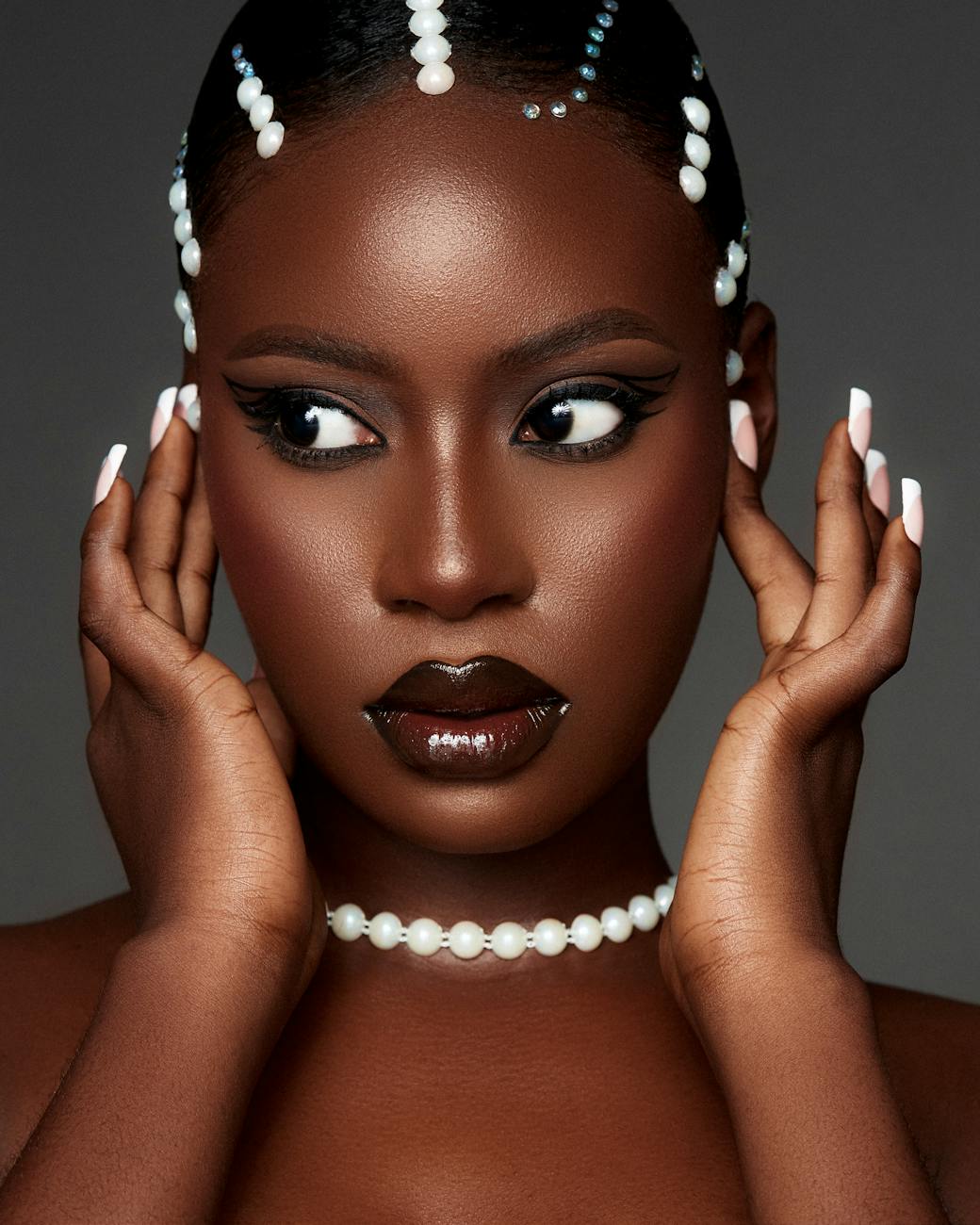
The Black is Beautiful movement emerged in the United States during the mid-1960s as a cultural and political affirmation of Black identity, aesthetics, and heritage. While the phrase became widely popularized through the work of the Black Arts Movement and fashion photography, its roots can be traced to the activism of figures such as Kwame Brathwaite and the African Jazz-Art Society & Studios (AJASS) in Harlem. Brathwaite and AJASS launched the Naturally ’62 fashion show in 1962, which celebrated natural hair, darker skin tones, and African-inspired clothing, directly challenging Eurocentric beauty standards (Ford, 2015).
The slogan Black is Beautiful was also closely aligned with the broader Civil Rights and Pan-Africanist movements, reflecting the ideological influence of leaders like Marcus Garvey, whose earlier campaigns emphasized racial pride and self-love. The movement gained visibility in magazines such as Ebony, Jet, and Essence, which featured darker-skinned models and natural hairstyles. Advertising agencies and brands—particularly those serving the African American market—began to incorporate Black beauty ideals into their campaigns. Companies such as Johnson Products (with its Afro Sheen brand) and Soft Sheen made direct use of the slogan and imagery in print and television ads during the 1970s (Taylor, 2016).
The world’s reaction to the movement varied. In the Black community, it fostered a collective sense of dignity and cultural pride, encouraging African Americans to reject skin bleaching, hair straightening, and other practices that reflected internalized racism. Globally, the movement resonated with African liberation struggles, influencing artists and activists in the Caribbean, Africa, and the United Kingdom. Internationally, the concept intersected with anti-colonial sentiment, with publications and cultural festivals abroad adopting similar affirmations of Black beauty and identity (Cummings, 2018).
The Black is Beautiful movement had a profound psychological impact on African Americans. Research in social psychology has shown that positive in-group representation can improve self-esteem and counteract internalized oppression (Cross, 1991). By redefining beauty standards, the movement helped dismantle the harmful association between whiteness and attractiveness, replacing it with an appreciation for African features such as full lips, broad noses, tightly coiled hair, and deep skin tones.
Celebrities played a significant role in popularizing the movement. Figures like Cicely Tyson, Nina Simone, and Kathleen Cleaver wore natural hairstyles and spoke openly about embracing their African heritage. Tyson rejected roles that required her to straighten her hair, stating in interviews that her natural style was a statement of self-respect. Nina Simone famously declared, “You’ve got to learn to leave the table when love’s no longer being served”—a statement tied to the larger ethos of self-worth and pride. In the sports world, Muhammad Ali’s unapologetic proclamation, “I’m Black and I’m proud” echoed the movement’s core message. In music, James Brown’s 1968 hit Say It Loud – I’m Black and I’m Proud became an anthem that galvanized support across generations.
The movement’s era was primarily the 1960s through the 1970s, coinciding with the Civil Rights Movement, the Black Power Movement, and the rise of Black cultural nationalism. Its legacy continues in contemporary movements such as Black Girl Magic and Melanin Poppin’, which similarly celebrate African-descended beauty and identity in the face of ongoing colorism and Eurocentric media dominance.
In sum, the Black is Beautiful movement was not merely a fashion statement but a political and psychological revolution. It empowered generations of African Americans to embrace their identity, reject assimilationist beauty norms, and inspire a global dialogue on race, aesthetics, and cultural pride.
References
Cross, W. E. (1991). Shades of Black: Diversity in African-American identity. Temple University Press.
Cummings, M. J. (2018). We will shoot back: Armed resistance in the Mississippi freedom movement. NYU Press.
Ford, Tanisha C. (2015). Liberated threads: Black women, style, and the global politics of soul. University of North Carolina Press.
Taylor, Ula Y. (2016). The promise of patriarchy: Women and the nation of Islam. University of North Carolina Press.
Discover more from THE BROWN GIRL DILEMMA
Subscribe to get the latest posts sent to your email.
 THE BROWN GIRL DILEMMA