
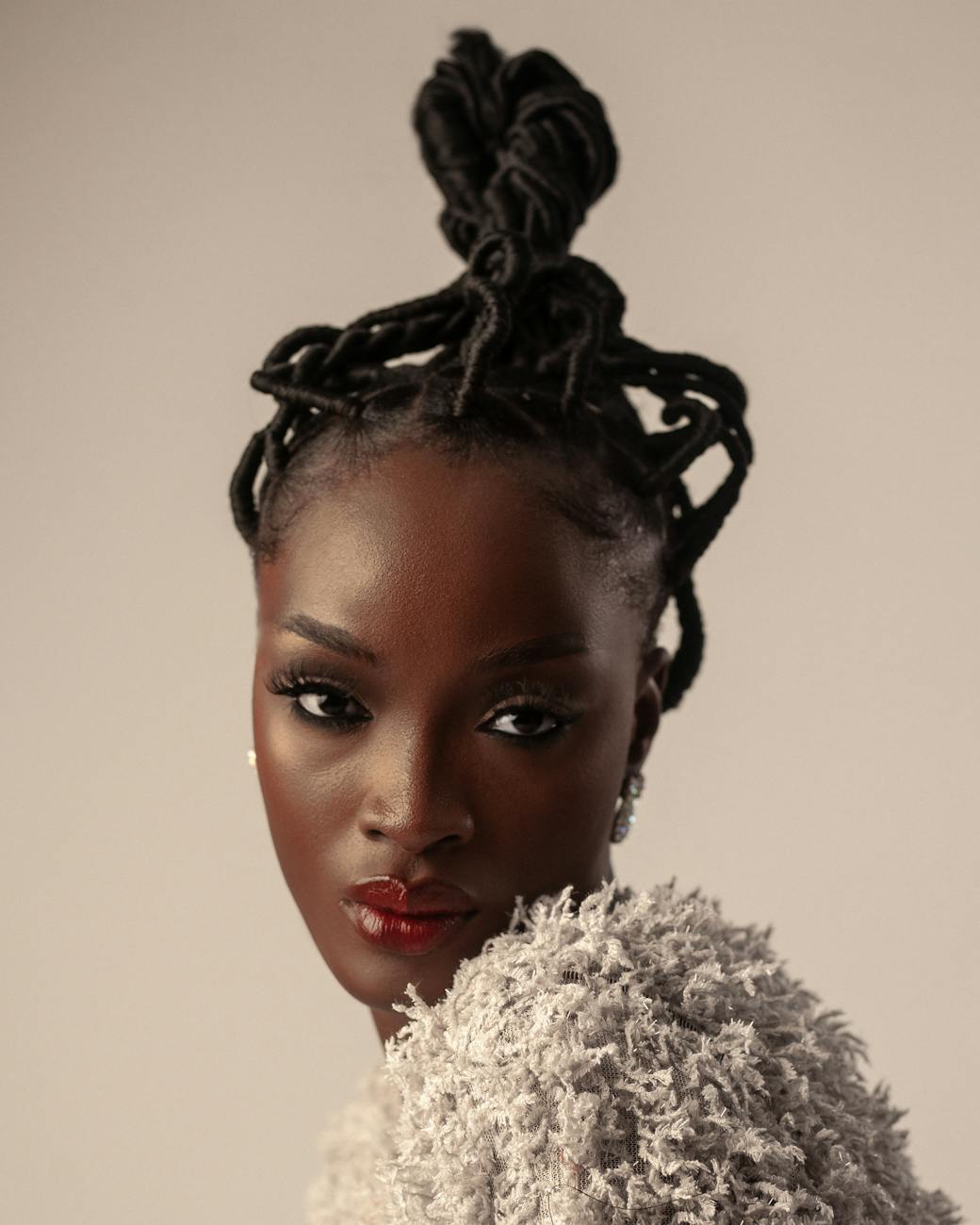
The phrase “Black don’t crack” has echoed for generations in Black communities across the globe. It’s more than a catchy saying—it is a cultural truth backed by science, genetics, and ancestral wisdom. While the conversation around aging is often filled with fear and consumerist solutions, Black women have long been the embodiment of timeless beauty, grace, and strength. Their youthful appearance, particularly when compared to other racial groups, has raised both admiration and curiosity. But what’s the science—and the soul—behind it all?
Scientific Explanation: The Role of Melanin in Aging
The slower aging process in Black women is primarily rooted in biology—specifically in the amount and function of melanin in the skin.
1. Melanin as a Natural Sunblock
Melanin is a pigment produced by melanocytes in the skin. It exists in two main forms: eumelanin (dark brown/black) and pheomelanin (red/yellow). Black skin contains more eumelanin, which provides natural protection against ultraviolet (UV) radiation. UV exposure is the number one cause of premature skin aging, including wrinkles, sagging, and sunspots.
- Scientific studies show that darker skin can have a natural SPF of up to 13, compared to SPF 3 for lighter skin tones (Taylor, 2002).
- This means Black skin is less likely to develop sun-induced damage, which contributes heavily to early signs of aging in lighter-skinned populations.
2. Collagen Density and Structure
Black skin has been found to have a denser and more compact dermis layer (the middle layer of skin where collagen lives). Collagen provides the skin with structure and elasticity. Because of this:
- Wrinkles form more slowly in Black skin.
- The skin maintains firmness and tightness for longer periods.
3. Oil Production and Hydration
Sebaceous glands (which produce oil) are generally more active in darker skin, offering greater moisture retention. Dry skin leads to fine lines and faster aging. The higher oil content in Black skin helps keep the skin plump and hydrated over time.
4. Antioxidant Properties of Melanin
Melanin isn’t just protective—it’s biologically active. It has antioxidant and free-radical scavenging abilities that help the skin resist inflammation and oxidative stress—both of which contribute to aging (Welsing, 1991).
Biblical Explanation: Divine Design, Beauty, and the Glory of Melanin
The Bible affirms that all humanity was “fearfully and wonderfully made” (Psalm 139:14, KJV), but many scholars, including Hebraic thinkers, assert that melanated people—especially descendants of Shem and Ham—possess a unique divine signature. This isn’t about racial superiority, but about purposeful design and resilience.
1. Melanin and the Image of God
The concept of being made in the image of God (Genesis 1:26–27) speaks to divine intentionality and sacred identity. Melanin, in this sense, can be seen as a marker of divine resilience, power, and spiritual energy. As Dr. Frances Cress Welsing argued, melanin is not only biochemical but symbolic of deep cosmic intelligence and spiritual connectivity (Welsing, 1991).
In biblical thought, Blackness is not a curse but a blessing:
- Song of Solomon 1:5 – “I am black and beautiful, O daughters of Jerusalem…”
- The Hebrew word for “black” here is “shachor,” denoting richness, depth, and value.
- Queen of Sheba (1 Kings 10) and Cushites (Jeremiah 13:23) are celebrated African figures in Scripture associated with wisdom, wealth, and prestige.
2. Preservation Through Affliction
Throughout biblical history, Israel endured suffering, slavery, and dispersion. Yet, as prophesied in Deuteronomy 28, the true Israelites—often identified by many Black scholars as melanated people scattered across the globe—would endure but not be erased. Their bodies, minds, and spirits would be preserved by divine strength.
- “They shall be strong in the Lord and in the power of His might” (Ephesians 6:10)—this can be applied not just spiritually but physically, reflecting strength in endurance, health, and aging.
3. The Golden Fleece and Divine Worth
Dr. Welsing’s term “golden fleece” refers to melanin as a sacred covering, a biological inheritance that carries wisdom, spiritual insight, and physical protection. It connects the bearer to cosmic rhythms, ancestral memory, and divine purpose.
- This mirrors Exodus 25, where gold symbolizes purity, power, and divine presence in the tabernacle. Similarly, melanated skin carries divine symbolism—a covering of dignity and glory.
Black women, through both science and Scripture, are shown to be resilient, radiant, and rare. Their aging process—graceful and glorious—is not merely aesthetic. It is testimony, evidence of a deeper mystery encoded in their very being.
Why Do Black Women Age Differently?
The primary factor lies in melanin, the pigment responsible for skin, hair, and eye color. Black skin, particularly rich in melanin, offers a built-in defense mechanism against the harmful effects of ultraviolet (UV) rays, which are known to accelerate skin aging. According to dermatological studies, darker skin contains more eumelanin, a type of melanin that acts as a natural sunscreen, blocking up to 80% of UV rays (Taylor, 2002). This means that Black skin is less prone to sunburns, photoaging, and the breakdown of collagen and elastin.
By contrast, lighter-skinned individuals, particularly those of Northern European descent, possess significantly less melanin, making their skin more vulnerable to sun damage, wrinkles, and early signs of aging.
Melanin: The Golden Fleece of Human Biology
In her groundbreaking work The Isis Papers: The Keys to the Colors (1991), Dr. Frances Cress Welsing described melanin as the “golden fleece”—a symbolic and biological treasure. Welsing, a psychiatrist and scholar, argued that melanin is not only a pigment but a biochemical force tied to intelligence, strength, spiritual consciousness, and resilience. To her, the global fascination with Blackness, from tanning trends to lip and body augmentation, speaks to an unspoken admiration for melanated aesthetics and vitality.
Melanin also functions as a powerful antioxidant and free-radical scavenger, protecting against environmental toxins, premature aging, and inflammation. It is no coincidence that melanin-rich individuals, particularly women, tend to retain elasticity and luminosity in their skin far longer than their non-melanated counterparts.
Healthy Foods for Radiant Skin
While genetics and melanin are powerful allies, diet plays a crucial role in preserving skin health and youthful appearance. Here is a list of foods that support glowing, ageless skin—especially for Black women:
- Avocados – Rich in healthy fats and vitamin E, promoting elasticity.
- Sweet Potatoes – High in beta-carotene, which converts to vitamin A for skin renewal.
- Berries – Packed with antioxidants that fight oxidative stress.
- Dark Leafy Greens – Contain chlorophyll, iron, and vitamins A and C.
- Nuts and Seeds – Provide zinc, selenium, and omega-3 fatty acids for collagen support.
- Turmeric – Anti-inflammatory properties help even skin tone.
- Water – Essential for hydration and detoxification.
The Cultural Meaning Behind “Black Don’t Crack”
“Black don’t crack” is not just a biological fact; it is a cultural declaration. It celebrates the resilience, grace, and strength of Black women who have endured centuries of systemic oppression, stress, and racism—and yet remain regal and radiant. It’s an acknowledgment of the divine design that allows Black women to thrive and blossom, even in adversity.
Some of the Most Beautiful Black Women Over 50?
- Angela Bassett (b. 1958) – A living testament to ageless beauty and strength.
- Viola Davis (b. 1965) – Powerfully beautiful with deeply expressive features.
- Halle Berry (b. 1966) – Consistently cited among the most beautiful women globally.
- Michelle Obama (b. 1964) – Embodying poise, power, and purpose.
- Regina King (b. 1971) – A luminous presence in Hollywood and beyond.
- Sade Adu (b. 1959) – Her timeless beauty and voice defy age.
Which Races Age the Fastest?
Scientific research generally supports that individuals of African, Southeast Asian, and East Indian descent tend to age more slowly due to higher melanin content and thicker dermal layers. On the other hand, Caucasian skin tends to show signs of aging earliest due to its susceptibility to UV radiation and lower oil production (Rawlings, 2006). This doesn’t imply superiority or inferiority, but rather differences in biological resilience and environmental adaptation.
Are Black Women Desirable to Men?
Absolutely. Black women are deeply desirable—not merely because of physical attributes but because of their strength, intelligence, spirituality, and resilience. However, desirability is often shaped by societal standards and media representations, which historically marginalized or exoticized Black femininity. Thankfully, global perceptions are shifting. A 2020 Pew Research study revealed growing cross-cultural appreciation for Black women’s beauty, with social media platforms amplifying authentic narratives and redefining beauty standards.
Still, Black women’s desirability shouldn’t hinge on trends or external validation. Their power lies in their essence—unapologetically regal, innately divine, and eternally radiant.
Conclusion
To say that Black women age well is to understate a profound biological and spiritual phenomenon. Their melanin—the literal golden fleece—is not just pigment, but power. It preserves them, protects them, and showcases their divine blueprint. In a world obsessed with youth and beauty, Black women remain timeless. Their skin, their wisdom, and their legacy shine brighter with age. From a scientific standpoint, melanin is a natural superpower, slowing the visible effects of aging, protecting from sun damage, and promoting long-term skin health. From a biblical and Afrocentric perspective, melanin is a sacred inheritance—a visible marker of divine craftsmanship, cultural continuity, and ancestral survival.
References
- Rawlings, A. V. (2006). Ethnic skin types: Are there differences in skin structure and function? International Journal of Cosmetic Science, 28(2), 79–93.
- Taylor, S. C. (2002). Skin of color: Biology, structure, function, and implications for dermatologic disease. Journal of the American Academy of Dermatology, 46(2), S41–S62.
- Welsing, F. C. (1991). The Isis Papers: The Keys to the Colors. Chicago: Third World Press.
- Pew Research Center. (2020). Race in America: Public attitudes on race relations, racial inequality, and their personal experiences.
- Taylor, S. C. (2002). Skin of color: Biology, structure, function, and implications for dermatologic disease. Journal of the American Academy of Dermatology, 46(2), S41–S62.
- Rawlings, A. V. (2006). Ethnic skin types: Are there differences in skin structure and function? International Journal of Cosmetic Science, 28(2), 79–93.
- Welsing, F. C. (1991). The Isis Papers: The Keys to the Colors. Chicago: Third World Press.
- The Holy Bible, King James Version (KJV)
Discover more from THE BROWN GIRL DILEMMA
Subscribe to get the latest posts sent to your email.
 THE BROWN GIRL DILEMMA