
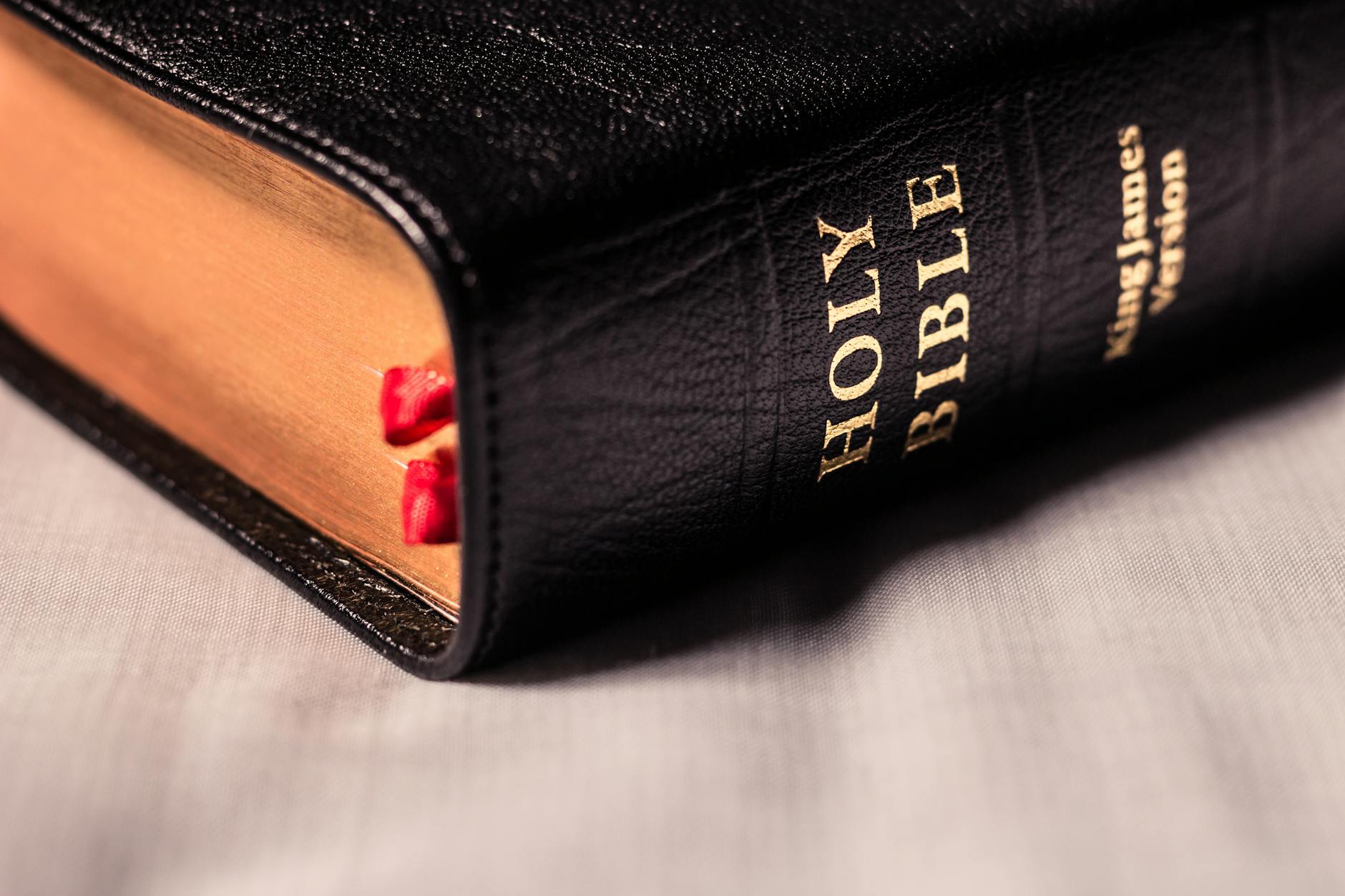
The Ten Commandments – A Detailed Biblical Study Guide
(Exodus 20:1–17, KJV)
1. “Thou shalt have no other gods before me.” (Exodus 20:3)
Original Hebrew Meaning:
The Hebrew phrase “לֹא־יִהְיֶה לְךָ אֱלֹהִים אֲחֵרִים עַל־פָּנָיַ” (Lo yiheye lekha elohim acherim al panay) literally means, “You shall not have other gods before My face.” It implies exclusive loyalty and devotion, rejecting all forms of polytheism and spiritual competition.
Modern Application:
God must be first in every area—relationships, ambitions, finances, and decisions. Worship is not just religious ritual but placing trust, love, and obedience in Him above all.
Common Modern Violations:
- Prioritizing career, money, fame, or relationships over God.
- Seeking identity in culture, politics, or personal achievements before God’s truth.
- Following spiritual movements (New Age, occult) instead of God’s Word.
2. “Thou shalt not make unto thee any graven image…” (Exodus 20:4–5)
Original Hebrew Meaning:
The Hebrew term for “graven image” is pesel (פֶסֶל), meaning a carved, sculpted, or manufactured idol. God forbids making physical representations for worship because no image can capture His essence (Deuteronomy 4:15–16).
Modern Application:
Worship God as Spirit (John 4:24), not through objects, symbols, or traditions. Avoid giving human-made things the reverence only God deserves.
Common Modern Violations:
- Treating religious statues, crosses, or paintings as magical.
- Idolizing technology, possessions, or even a church leader.
- Allowing objects to take emotional/spiritual priority over God’s truth.
3. “Thou shalt not take the name of the LORD thy God in vain.” (Exodus 20:7)
Original Hebrew Meaning:
The Hebrew phrase “לֹא תִשָּׂא אֶת־שֵׁם־יְהוָה אֱלֹהֶיךָ לַשָּׁוְא” means “You shall not lift up/carry the name of Yahweh your God for emptiness/falseness.” It includes speech, oaths, and actions that dishonor His name.
Modern Application:
Speak of God with respect, integrity, and truth. Represent His character accurately in word and deed.
Common Modern Violations:
- Using God’s name as a curse or casual exclamation.
- Swearing false oaths “in God’s name.”
- Claiming to follow God while living in open hypocrisy.
4. “Remember the sabbath day, to keep it holy.” (Exodus 20:8–11)
Original Hebrew Meaning:
“Sabbath” comes from shabbat (שַׁבָּת), meaning “rest” or “cease.” God’s command was to set apart the seventh day as sacred—resting from work and dedicating it to Him.
Modern Application:
Set aside time each week for worship, spiritual renewal, and rest. Trust God’s provision instead of working endlessly.
Common Modern Violations:
- Neglecting worship to pursue business or entertainment.
- Treating God’s day as just another workday.
- Using rest days selfishly with no focus on God.
5. “Honour thy father and thy mother…” (Exodus 20:12)
Original Hebrew Meaning:
The Hebrew word kabed (כַּבֵּד) means “to give weight to” or “treat as important.” This is about valuing parents with respect, obedience, and care.
Modern Application:
Speak respectfully, listen to godly guidance, and care for parents in their needs. This commandment includes showing honor to all God-ordained authority structures.
Common Modern Violations:
- Speaking rudely to parents.
- Ignoring parents in old age.
- Rejecting authority simply out of pride.
6. “Thou shalt not kill.” (Exodus 20:13)
Original Hebrew Meaning:
The word ratsach (רָצַח) refers specifically to murder—the unlawful taking of innocent life, not self-defense or war in certain biblical contexts.
Modern Application:
Value and protect human life from hatred, violence, and destruction. Jesus expanded this to include anger and contempt (Matthew 5:21–22).
Common Modern Violations:
- Murder and violence.
- Harboring hatred and bitterness.
- Devaluing human life through neglect or abuse.
7. “Thou shalt not commit adultery.” (Exodus 20:14)
Original Hebrew Meaning:
The word na’aph (נָאַף) means breaking a marriage covenant by sexual relations with someone other than your spouse.
Modern Application:
Remain faithful in thought, word, and action. Protect purity before and within marriage.
Common Modern Violations:
- Physical or emotional affairs.
- Pornography and lustful fantasies.
- Flirting with others while committed.
8. “Thou shalt not steal.” (Exodus 20:15)
Original Hebrew Meaning:
The term ganav (גָּנַב) means taking something without right or permission, whether tangible or intangible.
Modern Application:
Respect others’ property, ideas, and time. Work honestly and give fairly.
Common Modern Violations:
- Shoplifting, fraud, identity theft.
- Taking credit for someone’s work.
- Wasting an employer’s time while on the clock.
9. “Thou shalt not bear false witness against thy neighbour.” (Exodus 20:16)
Original Hebrew Meaning:
The Hebrew ed shaker (עֵד שָׁקֶר) means “false testimony” in legal contexts, but applies to all lying that harms others.
Modern Application:
Speak truthfully and protect others’ reputations. Avoid twisting facts or spreading unverified claims.
Common Modern Violations:
- Gossip and slander.
- False accusations.
- Misrepresenting someone to gain an advantage.
10. “Thou shalt not covet…” (Exodus 20:17)
Original Hebrew Meaning:
The Hebrew chamad (חָמַד) means an intense, selfish desire for something belonging to another, driven by discontent.
Modern Application:
Be content with what God has given, trusting Him for needs and desires. Celebrate others’ blessings without envy.
Common Modern Violations:
- Envying someone’s house, spouse, success, or lifestyle.
- Comparing yourself constantly on social media.
- Obsessing over “keeping up” with others materially.
Introduction: Love God, Love Others
In Luke 10:27, Jesus says:
“Thou shalt love the Lord thy God with all thy heart, and with all thy soul, and with all thy strength, and with all thy mind; and thy neighbour as thyself.”
This verse captures the spirit of the Ten Commandments.
- The first four commandments teach us how to honor and love God.
- The last six commandments teach us how to respect and love others.
Now, let’s explore each commandment:
🌟 The First Four: How to Love and Honor God
1. “Thou shalt have no other gods before me.” (Exodus 20:3)
- Meaning: God must come first—no idols, false religions, or distractions should take His place.
- How to keep it: Place God above everything—money, fame, relationships, or self. Worship Him alone.
2. “Thou shalt not make unto thee any graven image…” (Exodus 20:4-6)
- Meaning: Don’t worship idols or physical representations of God.
- How to keep it: Worship God in spirit and truth—not through statues or rituals, but with reverence and obedience.
3. “Thou shalt not take the name of the Lord thy God in vain…” (Exodus 20:7)
- Meaning: God’s name is holy—don’t misuse it with profanity, false promises, or disrespect.
- How to keep it: Speak God’s name with reverence. Represent Him with integrity.
4. “Remember the sabbath day, to keep it holy.” (Exodus 20:8-11)
- Meaning: Set aside one day a week to rest and focus on God.
- How to keep it: Dedicate time each week for worship, rest, and reflection—avoiding unnecessary work or worldly distractions.
❤️ The Last Six: How to Love and Treat Others
5. “Honor thy father and thy mother…” (Exodus 20:12)
- Meaning: Respect and obey your parents and elders.
- How to keep it: Show gratitude, care, and honor to your parents, even when it’s difficult.
6. “Thou shalt not kill.” (Exodus 20:13)
- Meaning: Respect life—physically and emotionally.
- How to keep it: Avoid hate, violence, or bitterness. Value human life and practice peace.
7. “Thou shalt not commit adultery.” (Exodus 20:14)
- Meaning: Be faithful in marriage and keep your body and thoughts pure.
- How to keep it: Honor your spouse, avoid lust, and stay committed in love and truth.
8. “Thou shalt not steal.” (Exodus 20:15)
- Meaning: Don’t take what isn’t yours.
- How to keep it: Be honest and content. Work hard and respect the property of others.
9. “Thou shalt not bear false witness…” (Exodus 20:16)
- Meaning: Don’t lie or slander others.
- How to keep it: Speak truthfully. Avoid gossip and protect others’ reputations.
10. “Thou shalt not covet…” (Exodus 20:17)
- Meaning: Don’t be envious of others’ possessions, relationships, or status.
- How to keep it: Practice gratitude and contentment. Trust that God provides what you need.
💬 Summary:
| Commandments | What They Teach | How to Keep Them |
|---|---|---|
| 1–4 | Love and worship God above all | Prioritize God, worship in truth, honor His name, set time aside for Him |
| 5–10 | Treat others with love, respect, and honesty | Respect parents, protect life, honor marriage, be honest, content, and kind |
💡 Living Out the Commandments Today
To truly keep the Ten Commandments, we must:
- Seek a heart transformation—not just outward obedience.
- Let love be the motive—just as Jesus taught.
- Walk in faith—relying on the Holy Spirit for guidance.
📜 The Ten Commandments Explained with Examples and Scriptures
Exodus Chapter 20 (KJV)
Divided into Loving God (Commandments 1–4) and Loving Others (Commandments 5–10)
Reference to Luke 10:27 – “Love the Lord thy God… and thy neighbour as thyself.”
✝️ The First Four: Commandments About Loving and Honoring God
1. “Thou shalt have no other gods before me.”
📖 Exodus 20:3
Meaning: The Most High God of Israel demands exclusive worship—no other deities, spirits, or beliefs should rival Him.
Modern Examples:
- Putting careers, money, celebrities, or self before God.
- Trusting in horoscopes, astrology, or ancestors instead of God.
How to Keep It:
- Worship the one true God (YHWH), pray only to Him, and follow His commandments.
2. “Thou shalt not make unto thee any graven image…”
📖 Exodus 20:4–6
Meaning: Do not create or worship idols—physical objects meant to represent God or other deities.
Modern Examples:
- Statues of Jesus, Mary, saints, or angels used in worship.
- Crosses, images of “white Jesus,” or “sacred” objects believed to carry divine power.
- Religious icons in churches or homes that are bowed to, kissed, or prayed to.
How to Keep It:
- Worship God in spirit and truth (John 4:24).
- Avoid using or venerating religious images as tools of worship.
3. “Thou shalt not take the name of the LORD thy God in vain…”
📖 Exodus 20:7
Meaning: Don’t misuse or disrespect God’s holy name (YHWH).
Modern Examples:
- Saying “Oh my God!” casually or in anger.
- Swearing falsely “I swear to God…” or cursing using God’s name.
- Using His name in jokes, lies, or profanity.
How to Keep It:
- Speak His name with reverence.
- Represent Him truthfully in word and action.
4. “Remember the sabbath day, to keep it holy.”
📖 Exodus 20:8–11
Meaning: The Sabbath is the seventh day—Saturday, not Sunday. It is a sacred day of rest and worship.
Biblical Sabbath:
- Begins Friday at sunset and ends Saturday at sunset (Genesis 1:5, Leviticus 23:32).
- Jesus kept the Sabbath (Luke 4:16), and so did the apostles (Acts 17:2).
Modern Misunderstanding:
- Sunday worship originated from Roman tradition (Constantine, 321 AD), not Scripture.
How to Keep It:
- Avoid work, business, and distractions.
- Rest, study Scripture, pray, gather with believers (if possible), and honor God.
❤️ The Last Six: Commandments About Loving Others
5. “Honor thy father and thy mother…”
📖 Exodus 20:12
Meaning: Respect your parents and elders; obey them and care for them.
Modern Examples:
- Ignoring or yelling at parents.
- Neglecting them in old age.
- Disrespecting their wisdom or guidance.
How to Keep It:
- Speak kindly, listen, care for them, and uphold their dignity.
6. “Thou shalt not kill.”
📖 Exodus 20:13
Meaning: Do not unlawfully take human life.
Expanded Meaning (Matthew 5:21–22):
- Jesus said hating or being angry without cause is murder in the heart.
Modern Examples:
- Abortion, gang violence, domestic abuse.
- Character assassination or driving someone to emotional harm.
How to Keep It:
- Promote peace, forgiveness, and reconciliation.
- Value life and protect it.
7. “Thou shalt not commit adultery.”
📖 Exodus 20:14
Meaning: Remain faithful in marriage. Adultery includes physical and emotional betrayal.
Jesus Expands (Matthew 5:27–28):
“Whosoever looketh on a woman to lust after her hath committed adultery with her already in his heart.”
Modern Examples:
- Cheating on a spouse.
- Watching pornography or lusting after someone else.
- Flirting with someone while in a committed relationship.
How to Keep It:
- Be faithful emotionally and physically.
- Stay pure in thought, action, and intention.
8. “Thou shalt not steal.”
📖 Exodus 20:15
Meaning: Do not take what isn’t yours.
Modern Examples:
- Shoplifting, tax fraud, embezzlement.
- Downloading pirated content.
- Taking credit for someone else’s work.
How to Keep It:
- Work honestly.
- Be generous and respectful of others’ property.
9. “Thou shalt not bear false witness…”
📖 Exodus 20:16
Meaning: Do not lie, especially to harm someone else.
Modern Examples:
- Spreading rumors or gossip.
- Lying on job applications or in court.
- Twisting facts to manipulate or protect yourself.
How to Keep It:
- Always speak the truth, even when it’s hard.
- Build others up, not tear them down with lies.
10. “Thou shalt not covet…”
📖 Exodus 20:17
Meaning: Don’t envy what others have—homes, spouses, jobs, cars, etc.
Modern Examples:
- Scrolling social media and feeling bitter or jealous.
- Desiring someone else’s partner, life, or success.
- Obsessing over what others have instead of being grateful.
How to Keep It:
- Practice contentment (Philippians 4:11).
- Thank God for what you have and pray for others to be blessed.
🧭 Summary Table
| Commandment | Focus | Modern Example | Scripture |
|---|---|---|---|
| 1 | Worship God alone | Making money or fame your idol | Exodus 20:3 |
| 2 | No graven images | Statues used in worship | Exodus 20:4–6 |
| 3 | Honor God’s name | Using His name in vain | Exodus 20:7 |
| 4 | Keep Sabbath holy | Saturday, not Sunday worship | Exodus 20:8–11 |
| 5 | Honor parents | Neglecting elders | Exodus 20:12 |
| 6 | Do not kill | Hate, abortion, violence | Exodus 20:13 |
| 7 | No adultery | Cheating, lust, porn | Exodus 20:14 |
| 8 | Don’t steal | Fraud, theft, pirated media | Exodus 20:15 |
| 9 | Don’t lie | Gossip, perjury | Exodus 20:16 |
| 10 | Don’t covet | Jealousy, envy | Exodus 20:17 |
📖 Final Thoughts
The Ten Commandments are not just ancient laws—they are eternal principles for righteous living.
They show us how to:
- Honor God (first 4)
- Love others (last 6)
- Live holy and free from sin (Romans 7:12)
Jesus fulfilled the law (Matthew 5:17), but didn’t abolish it. He made it deeper—showing it applies not only to actions but to the heart.
Discover more from THE BROWN GIRL DILEMMA
Subscribe to get the latest posts sent to your email.
 THE BROWN GIRL DILEMMA